San Francisco: White and Singer for Adoption
Collection: San Francisco machines
Provenance and History
Two Machines, Two Families, and a Shared Legacy of Service
One of the most rewarding aspects of preserving vintage sewing machines is discovering the stories that accompany them. While the machines themselves are remarkable pieces of engineering, their true value often lies in the lives they touched and the work they helped accomplish. These two recently documented machines represent generations of perseverance, craftsmanship, and community service.
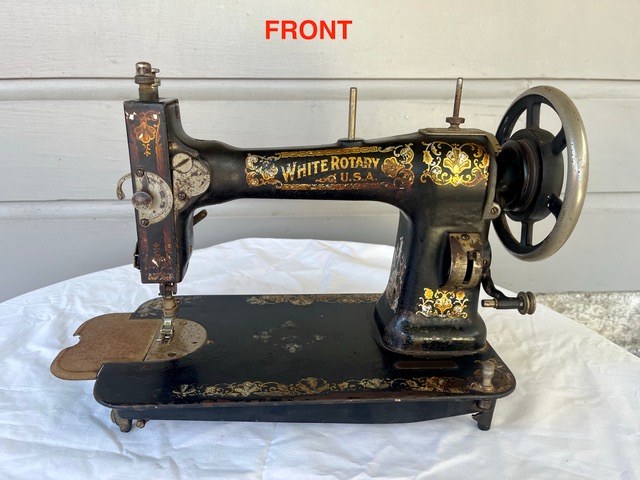
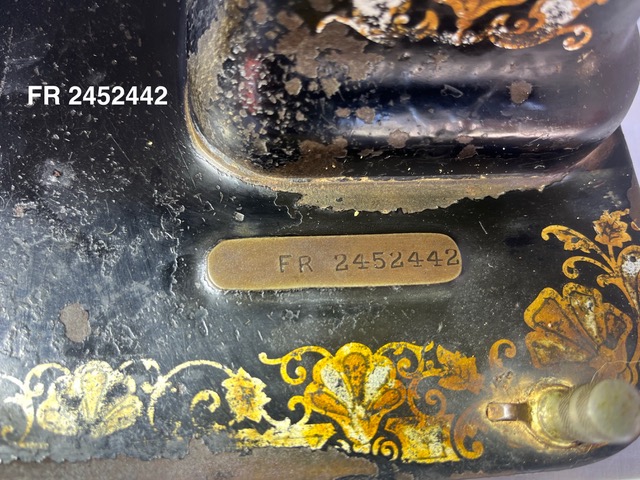
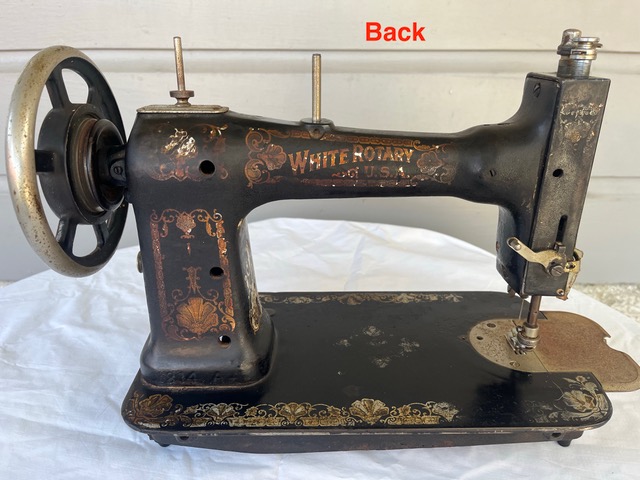
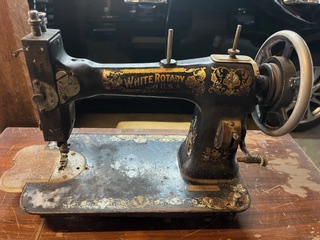
A White Rotary Sewing Machine
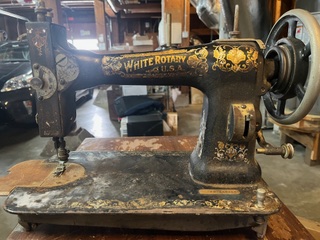
The first machine is a White Rotary sewing machine that belonged to a Japanese immigrant family living in San Francisco during the first half of the twentieth century.
The machine's owner arrived in North America from Japan in the early 1900s. Her family operated a successful cleaning business in San Francisco's Japantown district, where she performed clothing repairs, alterations, and mending for customers while simultaneously raising five children. Like many skilled home seamstresses of the era, her sewing machine was not merely a household appliance but an essential tool that contributed directly to the family's livelihood.
During the Second World War Japanese Americans were forcibly removed from their homes and sent to internment camps. Families were allowed to bring only what they could carry, leaving behind homes, businesses, furniture, and personal belongings. Some possessions were entrusted to friends or churches, while others were sold quickly at a fraction of their value.
When the family returned to San Francisco after the war, they discovered that much of what they had left behind had been lost, stolen, or destroyed. Very few belongings remained. It is believed that this White Rotary machine was acquired after their return as the family worked to rebuild their lives and livelihoods.
The machine survives today without its original cabinet and accessories, though family memories suggest it may once have been mounted in a treadle cabinet. Whether or not this is the same machine remembered from childhood, it stands as a tangible reminder of a skilled seamstress who helped support her family through some of the most challenging years in American history.
Though incomplete, the machine's significance extends far beyond its mechanical condition. It represents determination, recovery, and the enduring value of practical skills passed from one generation to the next.
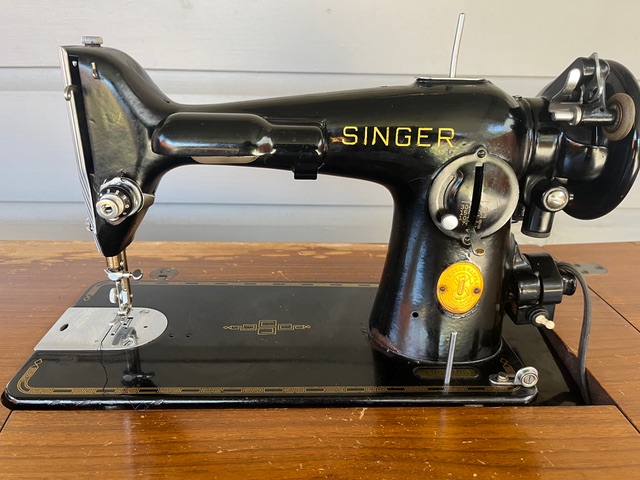
A Singer 201-2
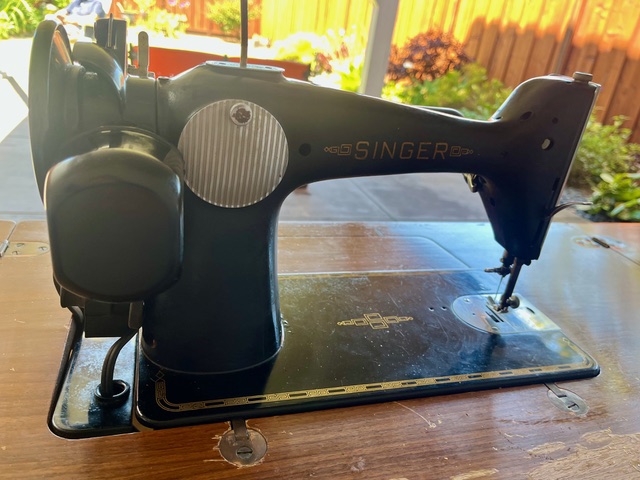
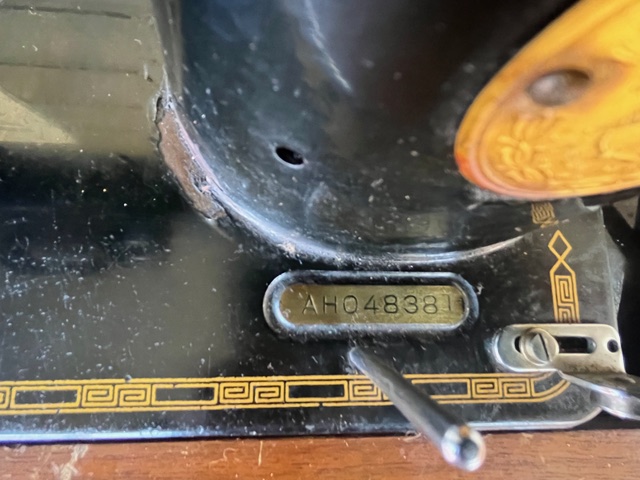
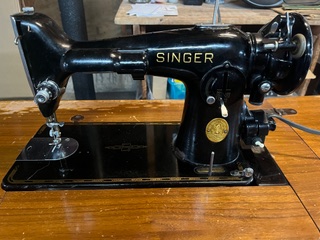
The second machine is a Singer 201-2, widely regarded as one of the finest domestic sewing machines ever produced.
Family recollections suggest that this machine was purchased shortly after a young couple married in 1948. Like many postwar households, sewing played an important role in family life, and the Singer quickly became a trusted companion for clothing construction, repairs, and alterations.
Its owner was an accomplished seamstress who devoted countless hours to supporting her church community. Among her many contributions were costume alterations and sewing projects for annual bilingual church productions that brought together both Chinese- and English-speaking members of the congregation. Through her work, the machine became more than a household tool; it became a quiet contributor to community events, performances, and shared traditions.
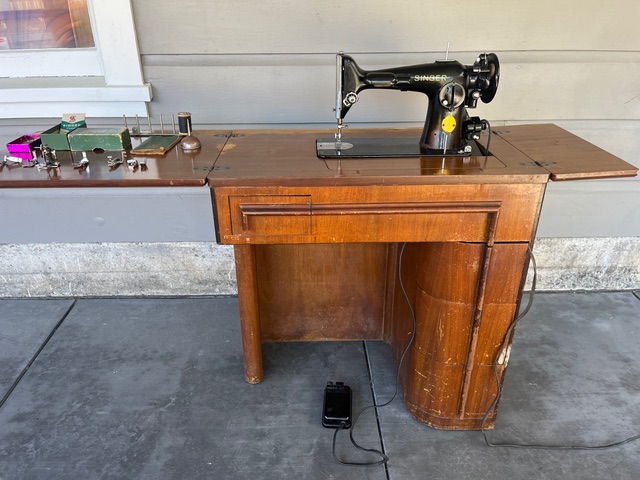
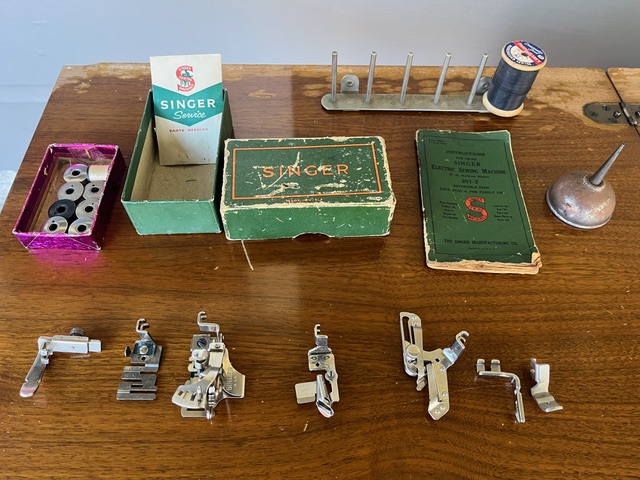
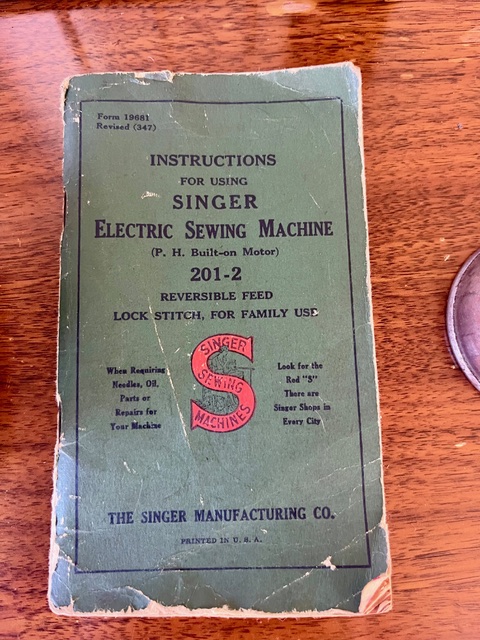
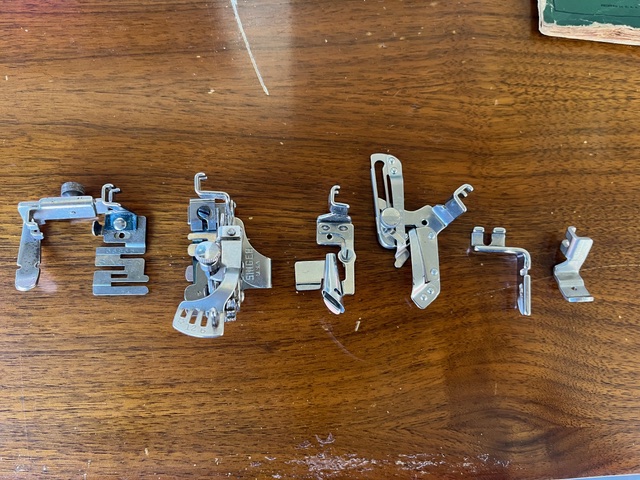
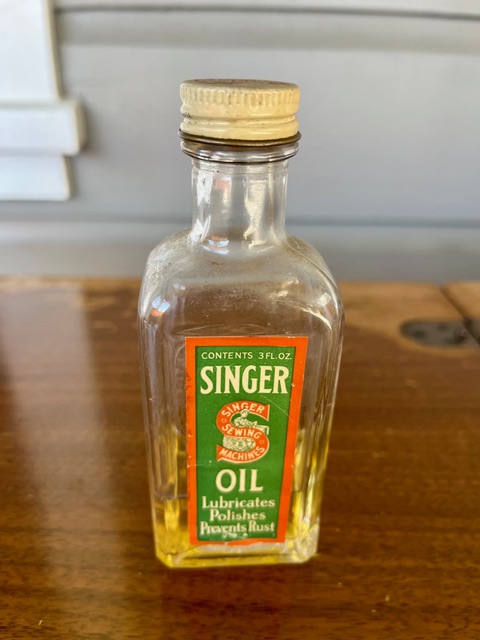
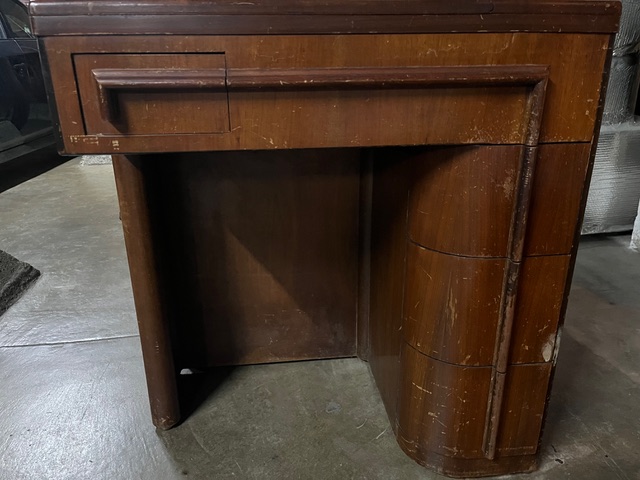
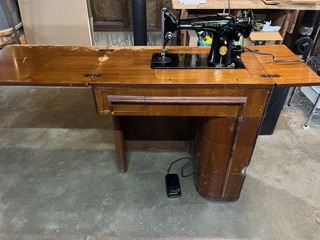
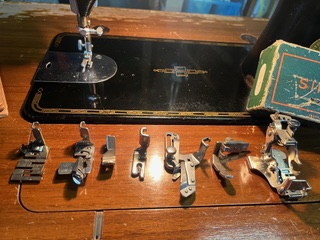
Today, the machine remains remarkably complete. Alongside the sewing machine itself are numerous presser feet and attachments, the original instruction manual, and even a bottle of Singer sewing machine oil. While the cabinet shows the honest wear expected after decades of service, the machine itself appears to have been carefully preserved and would likely return to operation with little more than a thorough cleaning and proper lubrication.
The Singer 201-2 is often celebrated for its smooth operation, durability, and exceptional stitch quality. Yet, as with so many vintage machines, its greatest value lies in the story of the person who used it. Every alteration, repair, and costume project reflects a lifetime of skill, generosity, and dedication to family and community.
Video Documentation
Source: YouTube Shorts. Used here for documentation purposes.
Condition and Evidence of Use
Both machines show clear evidence of long service and care: the White Rotary survives without its original cabinet and accessories, its wear and missing parts reflecting the family's wartime displacement and postwar recovery, while the Singer 201-2 remains remarkably complete — with multiple presser feet, the original manual, and even a bottle of oil. The Singer's intact mechanism and accompanying attachments suggest careful use and preservation and would likely return to operation after cleaning and lubrication.
Current Status
Status: In care
Location: San Francisco collection
Stewardship Notes
Both of these machines are available for adoption in the San Fransisco area. Please contact The Sewing Machine Orphanage to inquire. Pickup arrangements can be made only once the application for adoption has been completed and approved. Thank you for your consideration.
Resources and References
- Instructions for Singer 201K (reversible feed, lock stitch, horizontal rotary hook): User manual and operating instructions covering setup, reversible-feed operation, and routine maintenance for the Singer 201K series.
- Instructions for Singer 201P (electric, published 1953): Electric-model manual with guidance on motor installation, electrical safety, and care specific to the 201P.
- ISMACS — White sewing machines: Reference site for White sewing machine models, history, and technical details.
- Short video documentation (YouTube Shorts)