Simpsons Sears Kenmore C877.77
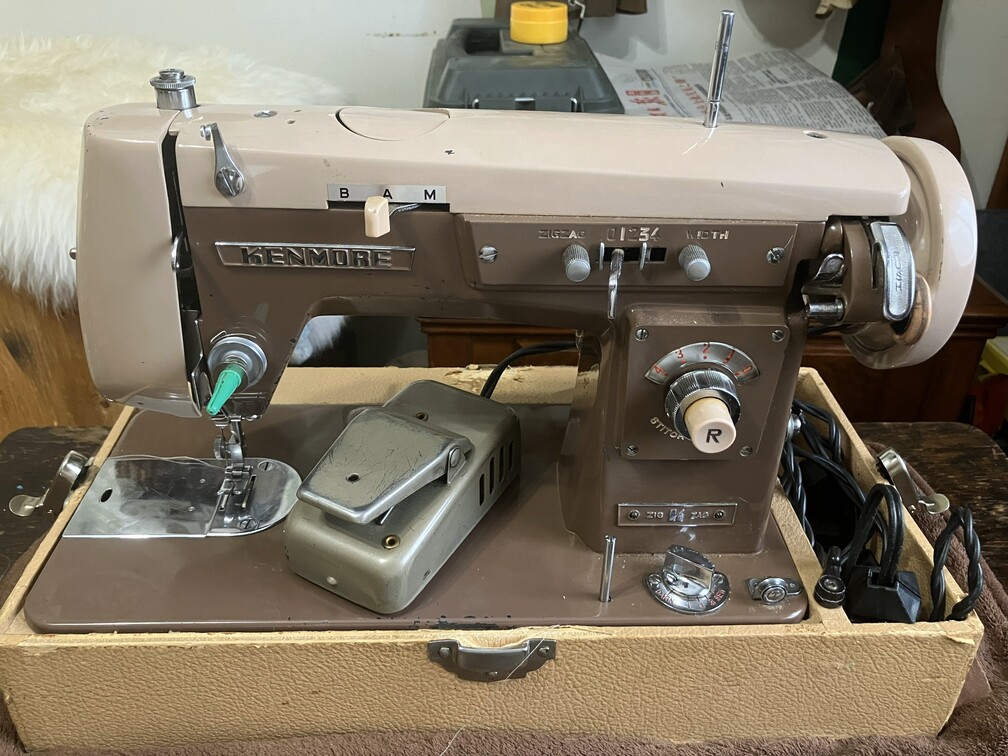
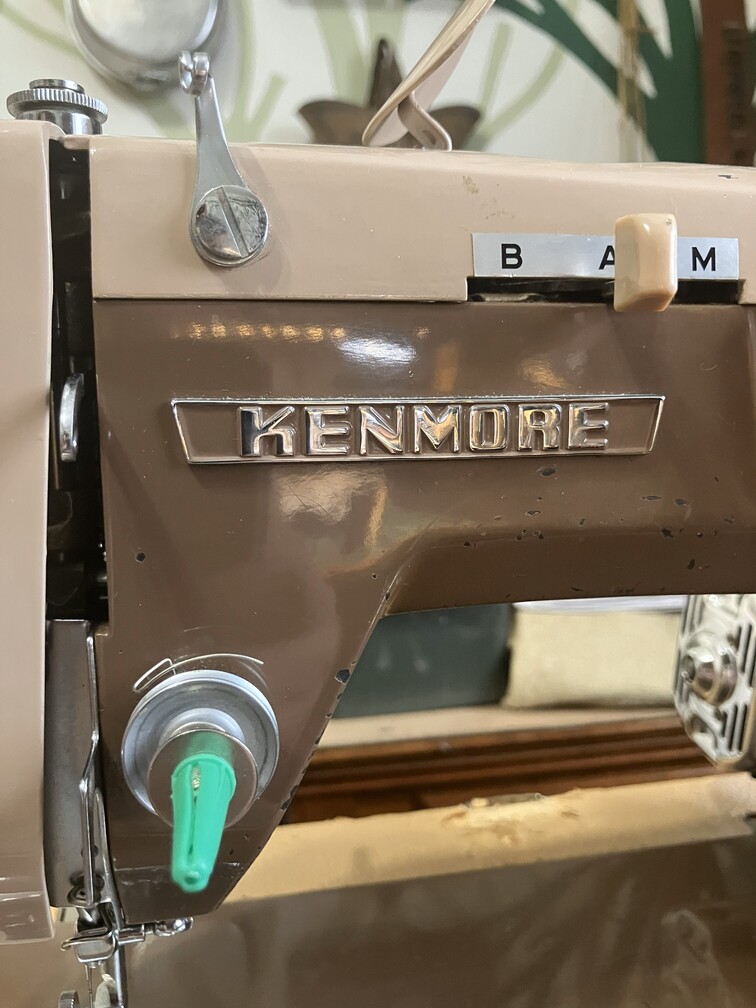
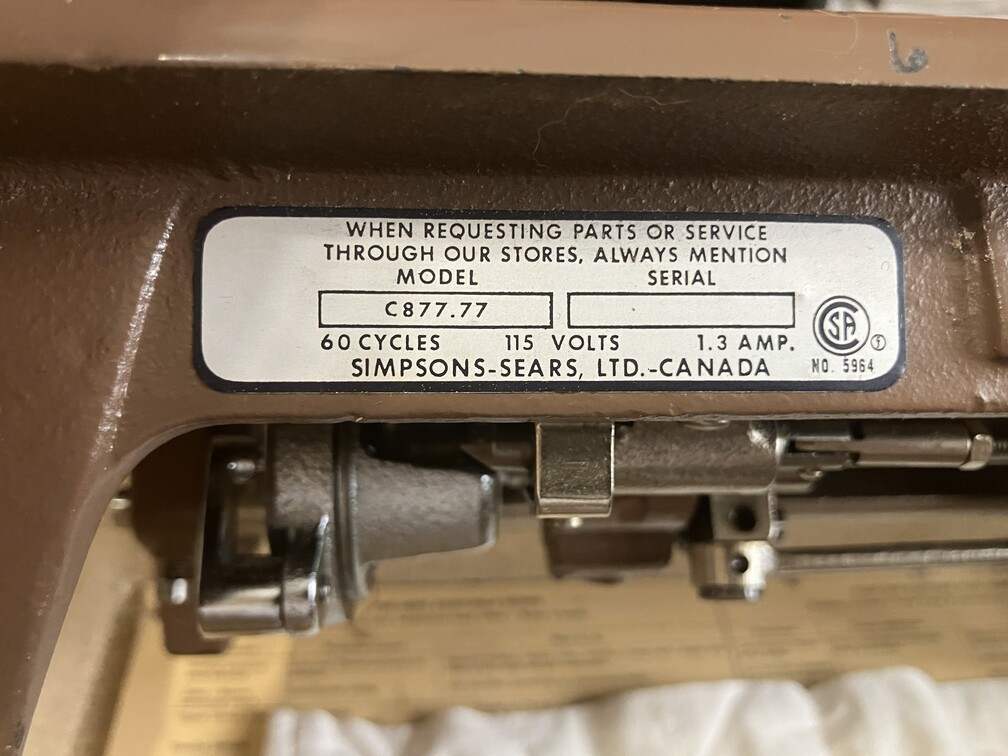
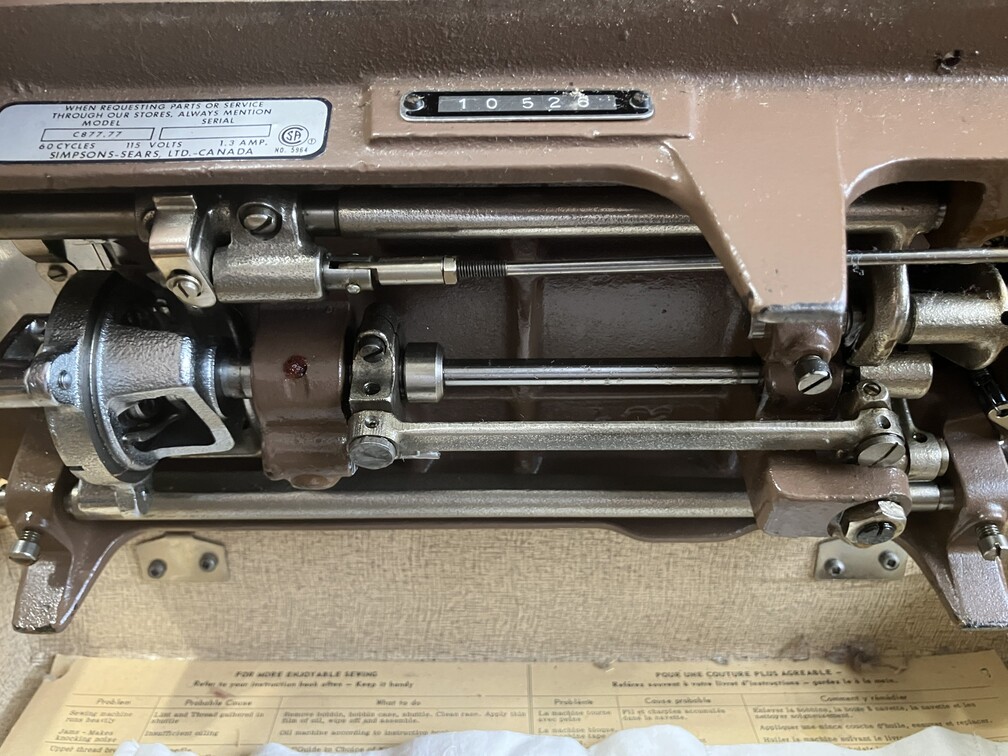
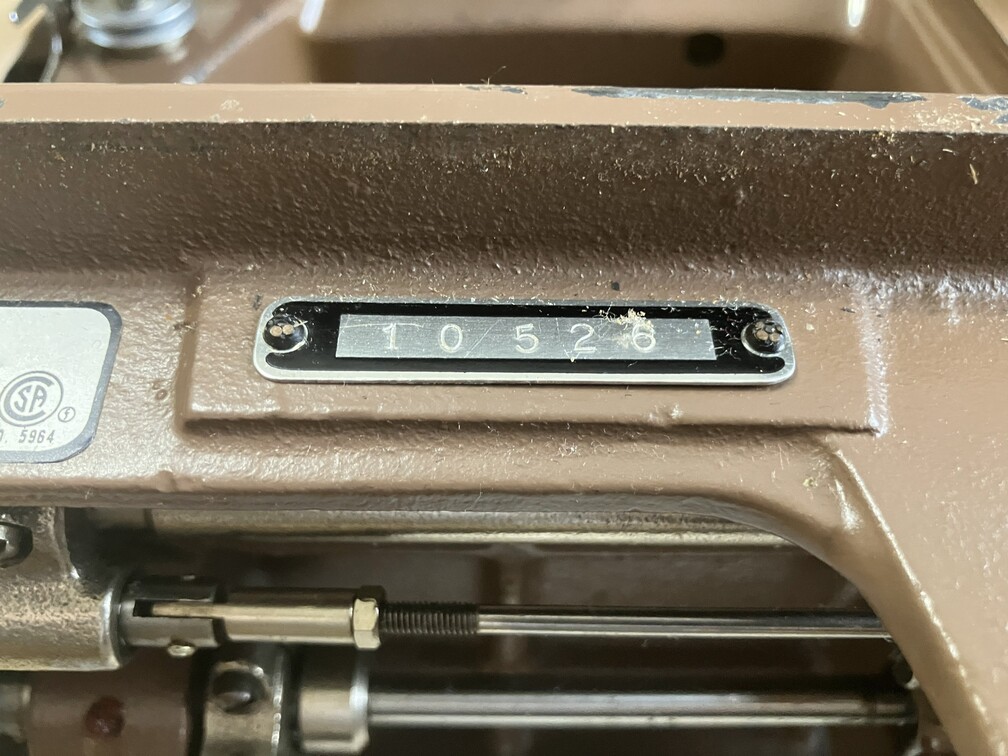
Kenmore C877.77 sewing machine, distributed by Simpsons Sears (Canada)
Provenance and History
The Simpson Sears C877.77 is a model number for a specific vintage Kenmore sewing machine sold exclusively in Canada through the Simpson-Sears chain. It is a sturdy, mechanical machine, often made in Japan, that is highly regarded for its durability. This model was part of the Canadian line of Kenmore machines. This machine was purchased January 29, 2026 at an Edmonton thrift store.
Condition and Evidence of Use
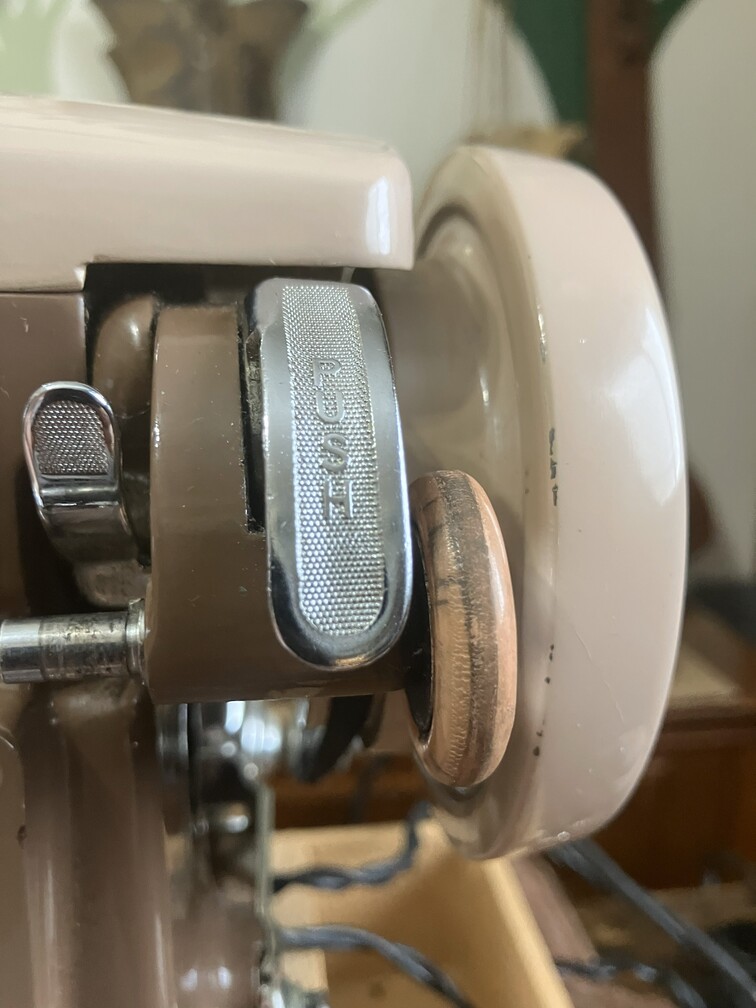
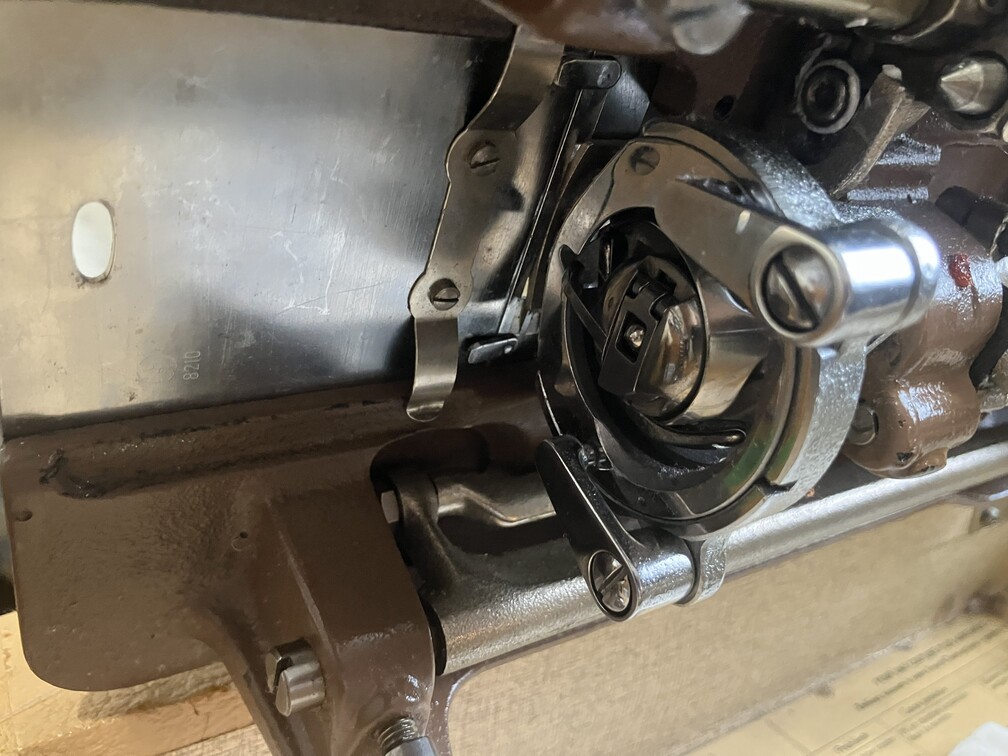
This machine shows typical wear for its age, with some cosmetic marks but no major damage. The mechanisms remain functional, and the finish is largely intact. These machines are known for their quality and reliability, a reputation built on the high standards Sears demanded from its manufacturers for its mail-order business at the time. The C877.77 is compatible with Singer Class 15 bobbins and needles, making it easy to find replacement parts today. The machine was missing the tension control knob and spring.
Current Status
Status: In care
Location: The Sewing Machine Orphanage, Devon, Alberta
Stewardship Notes
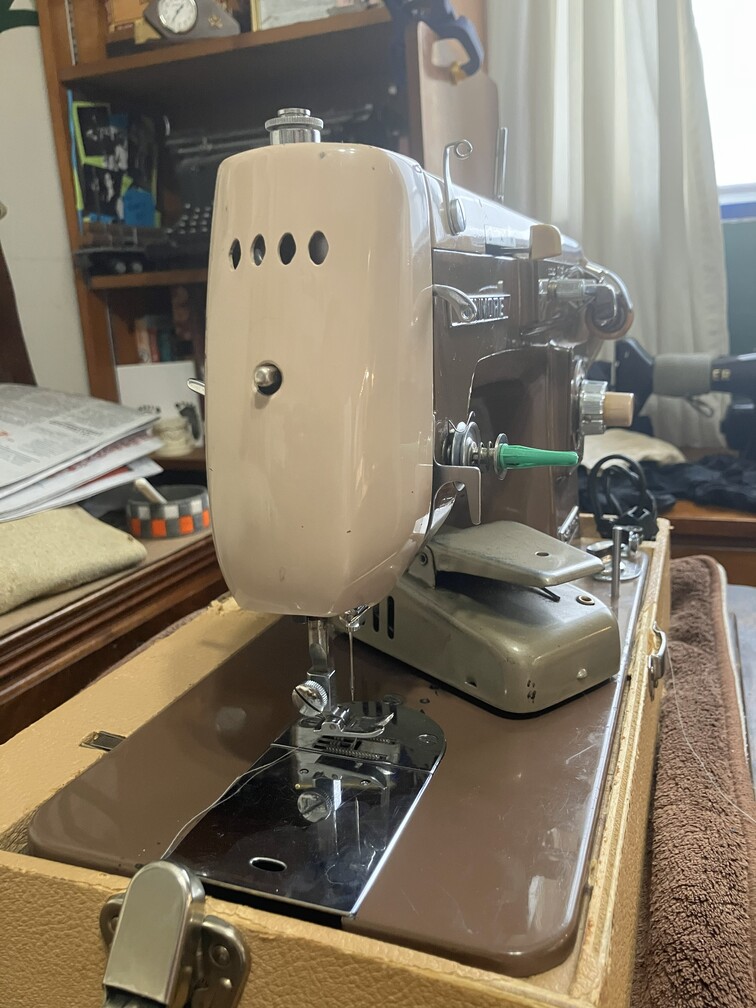
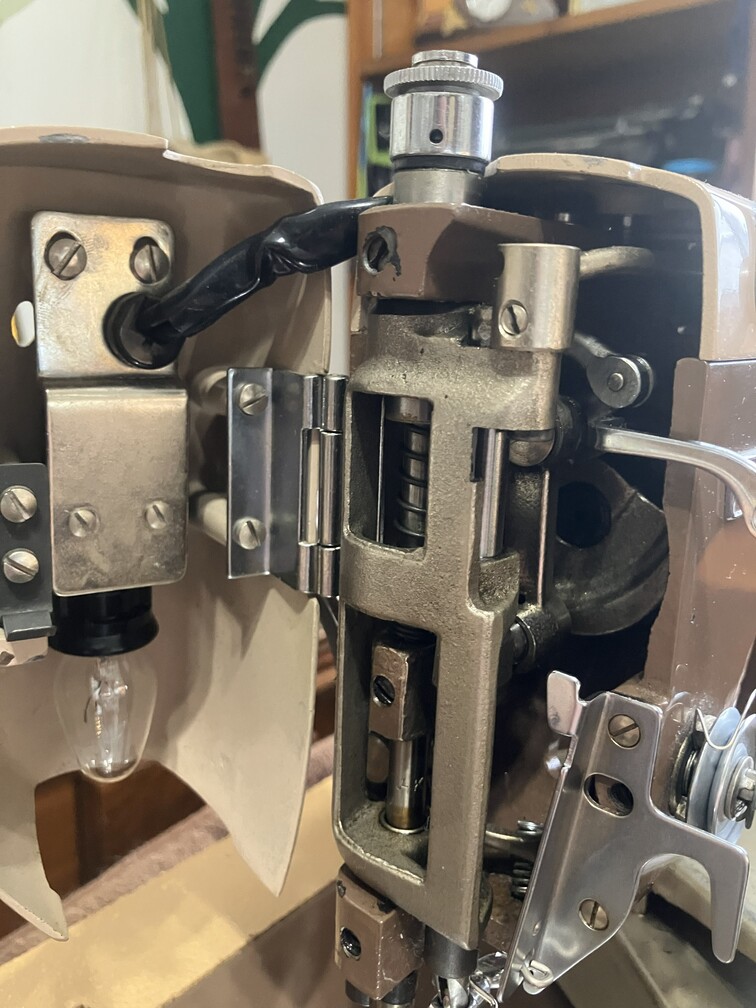
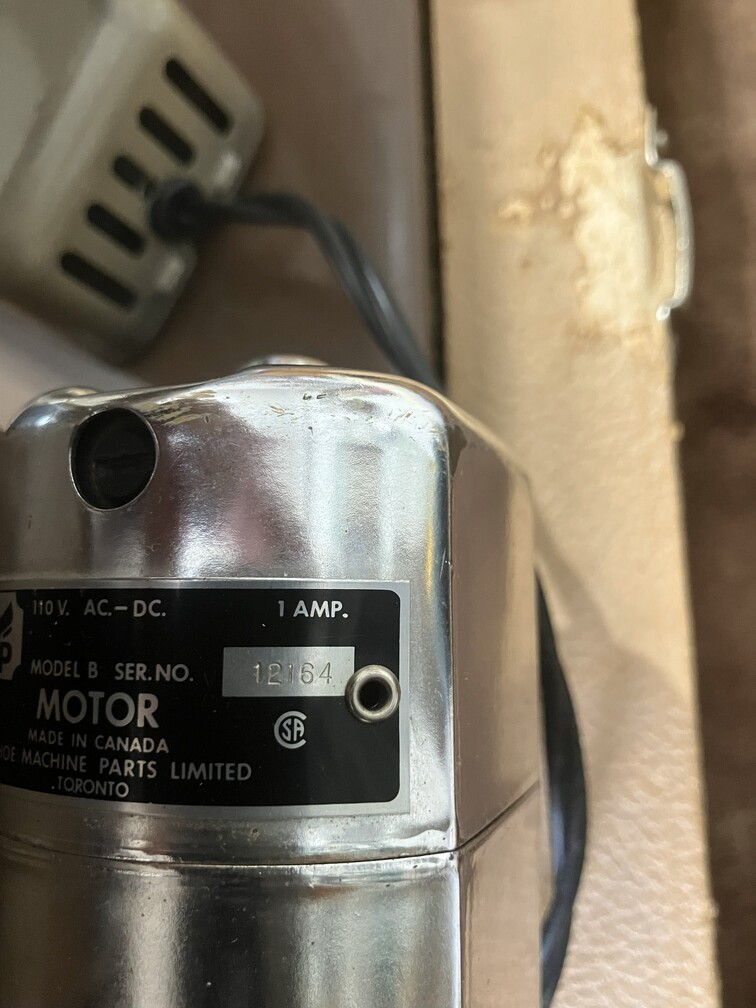
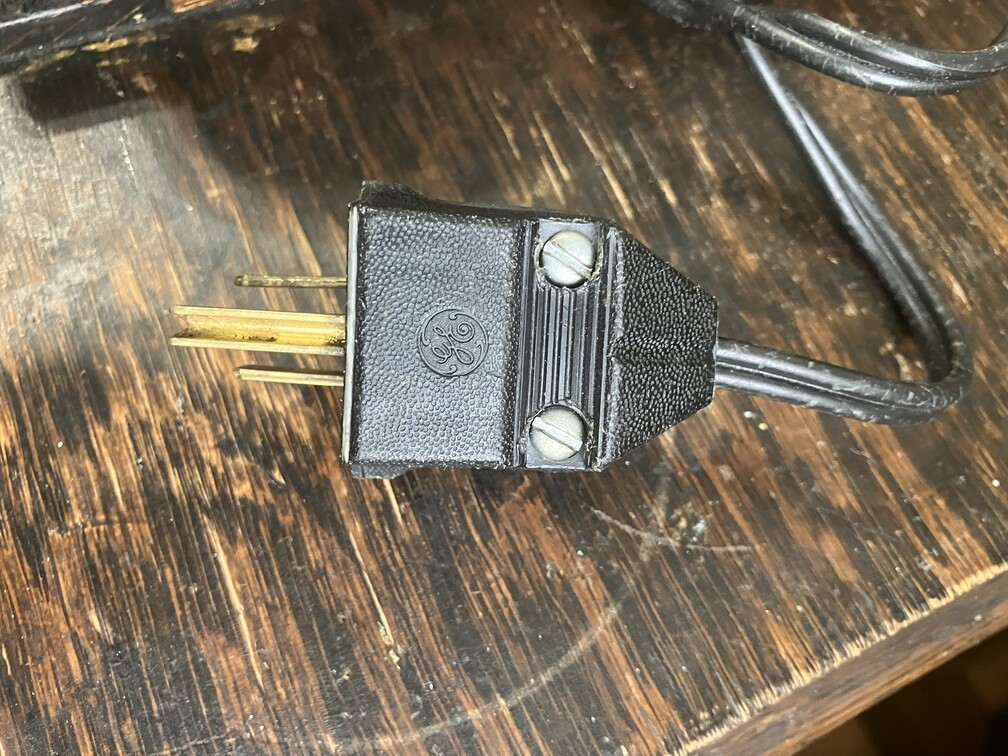
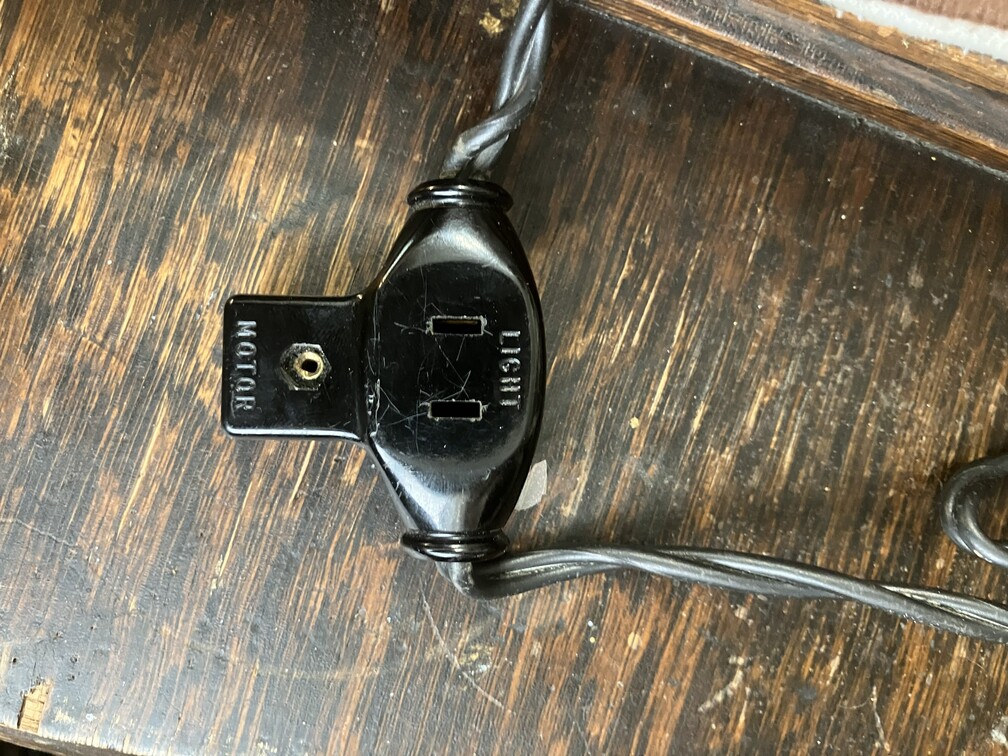
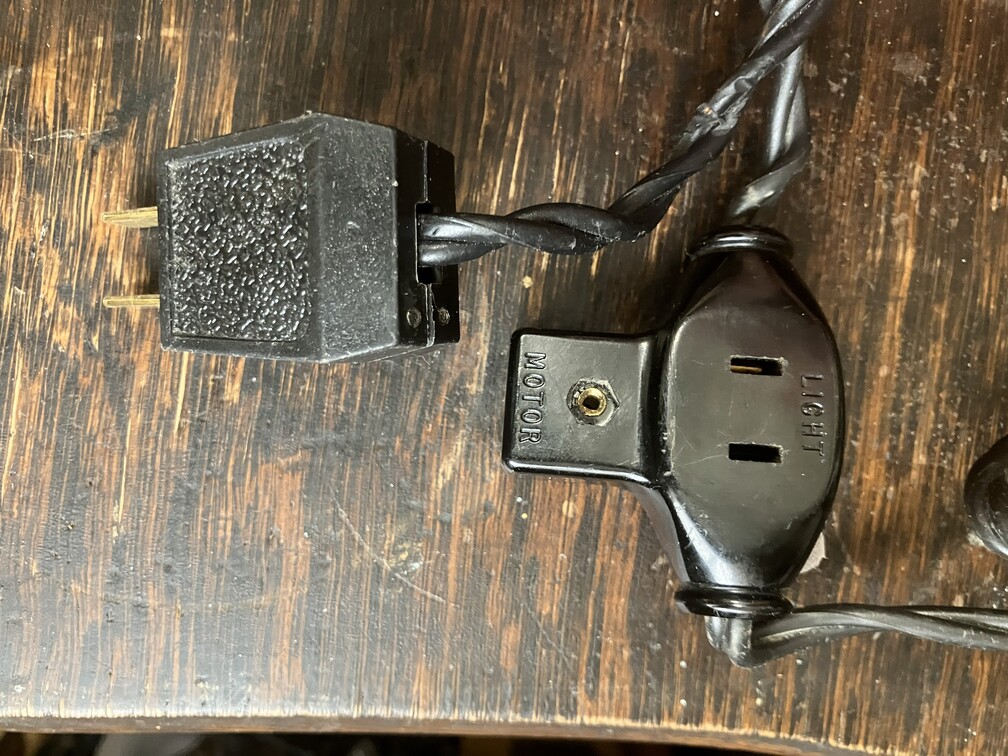
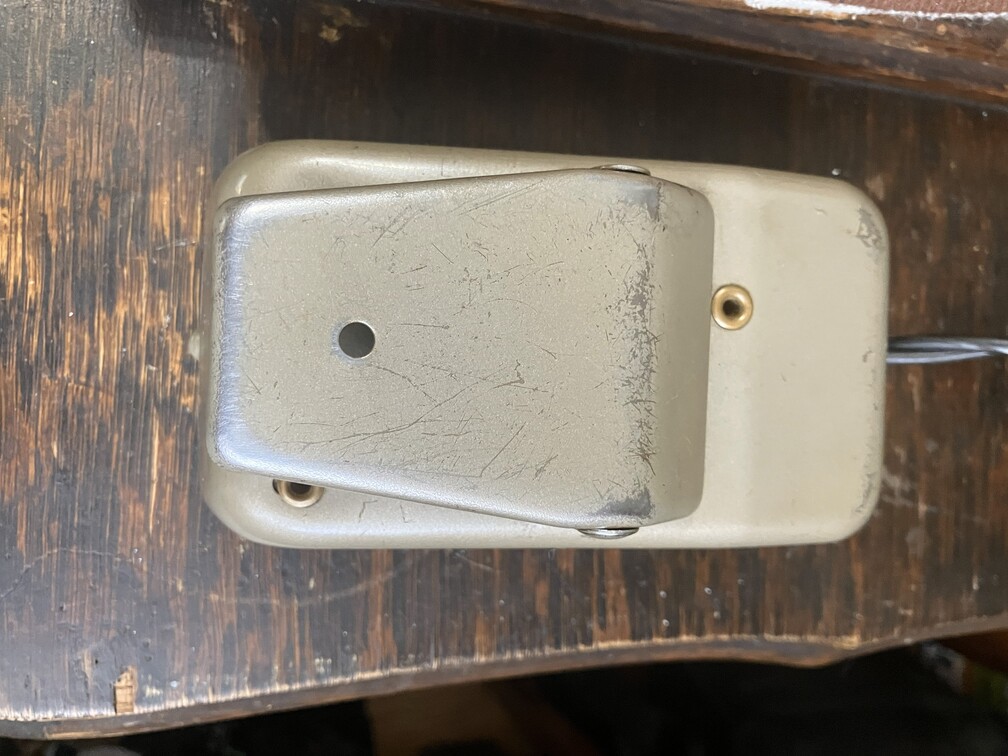
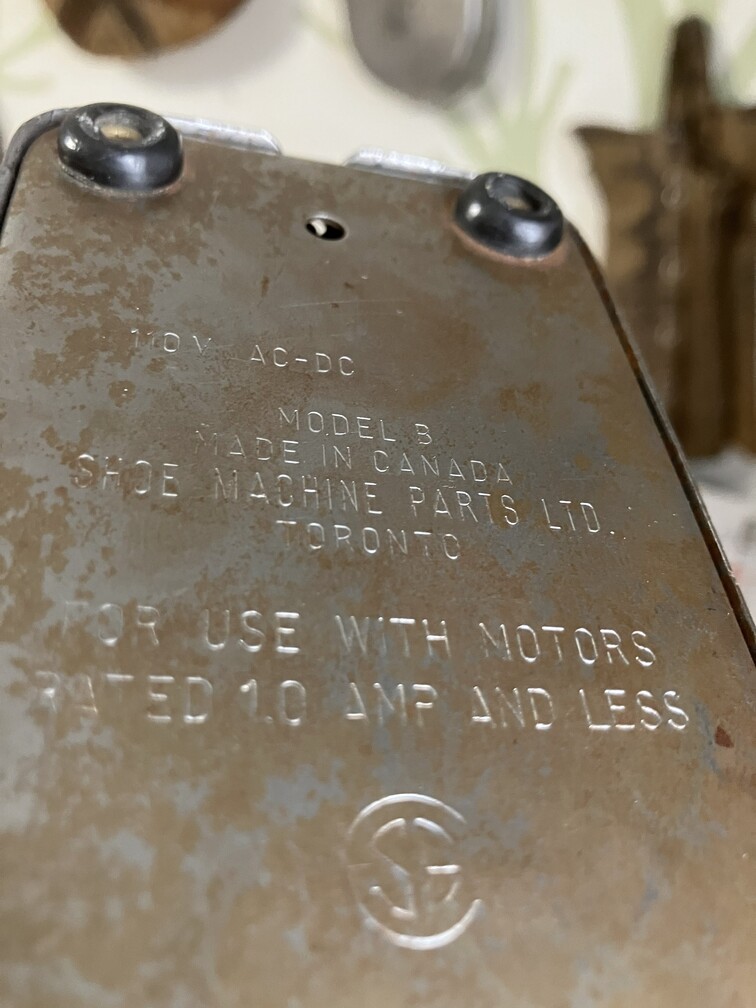
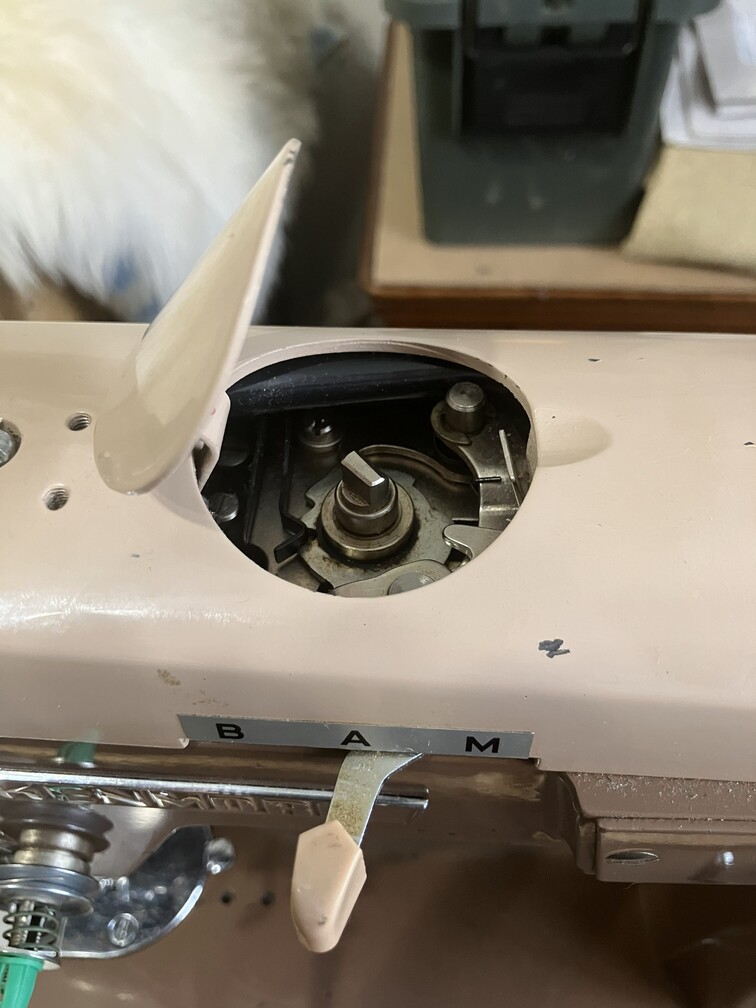
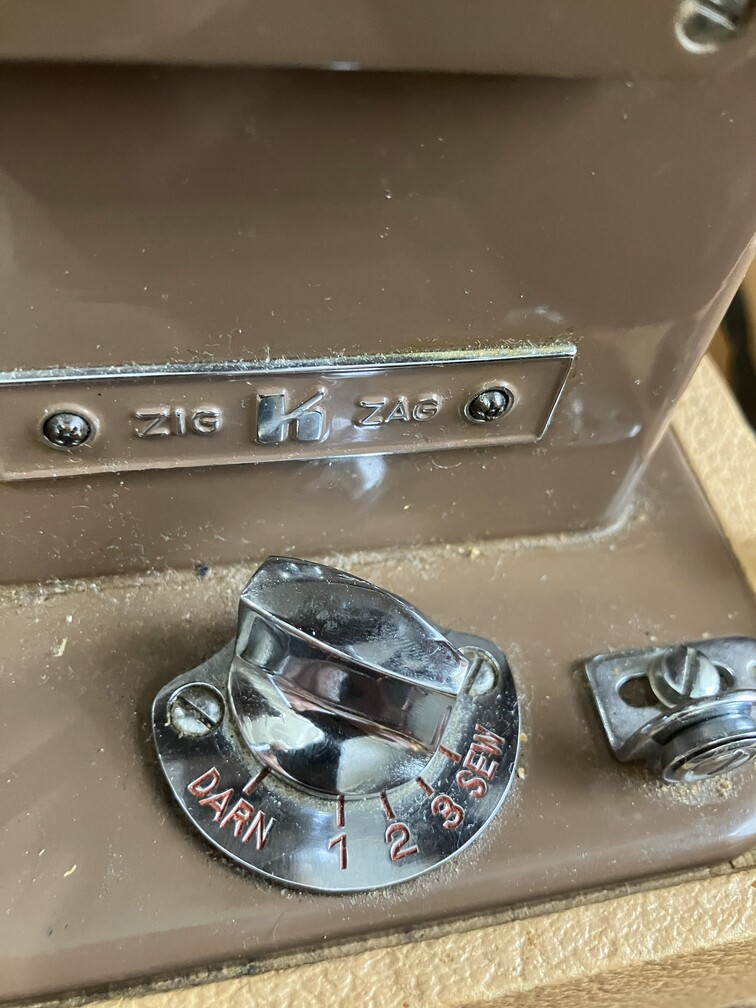
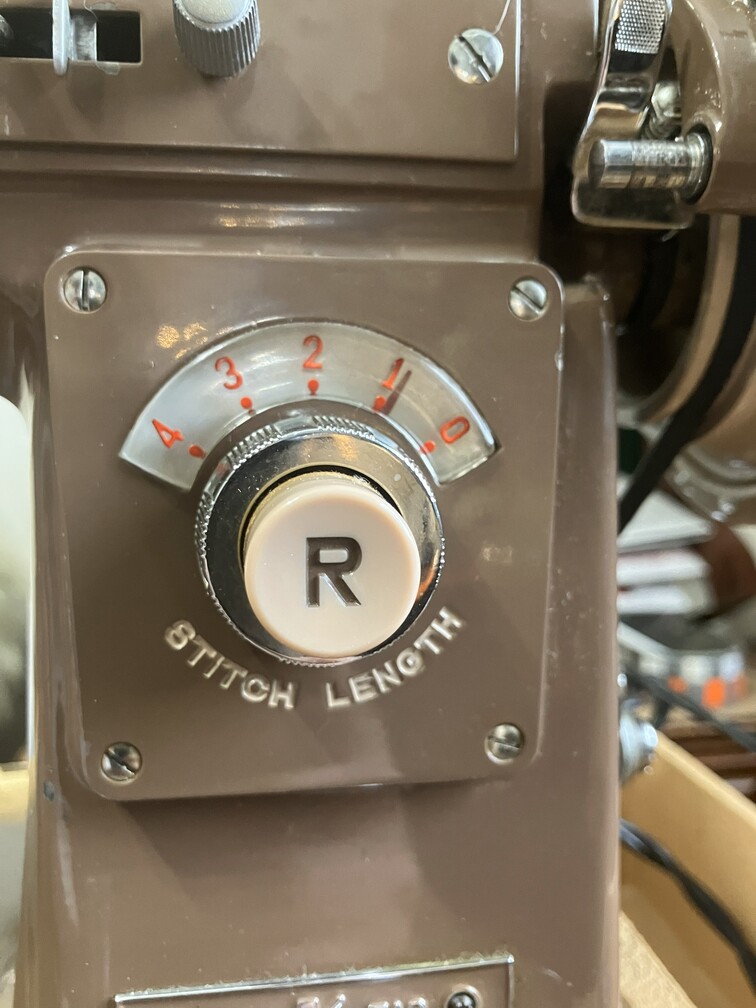
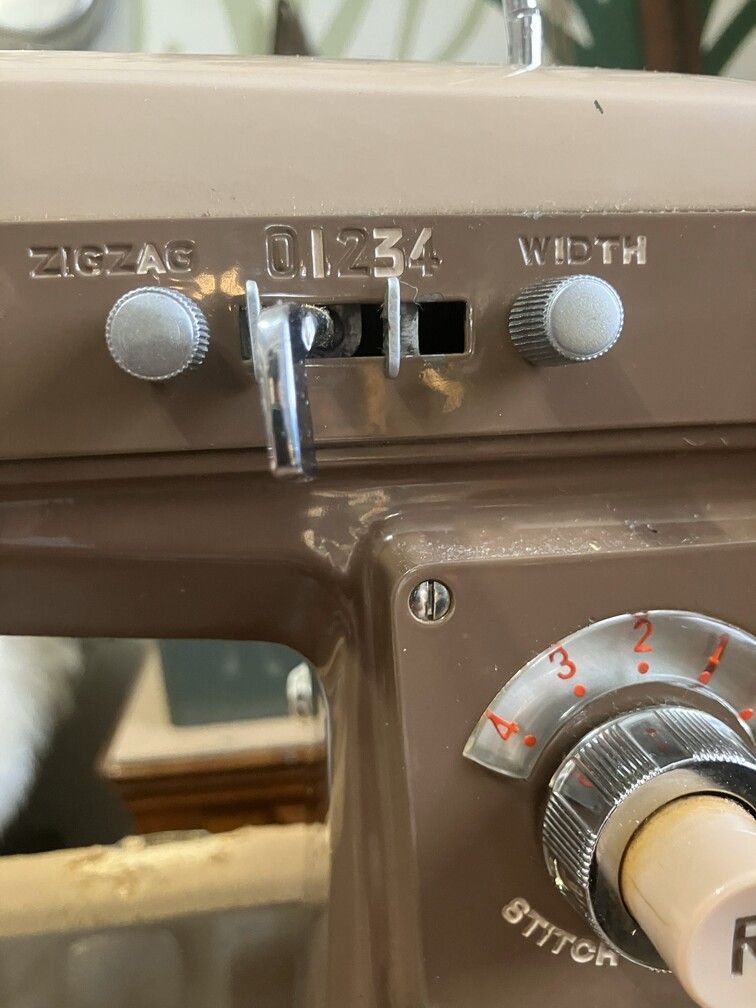
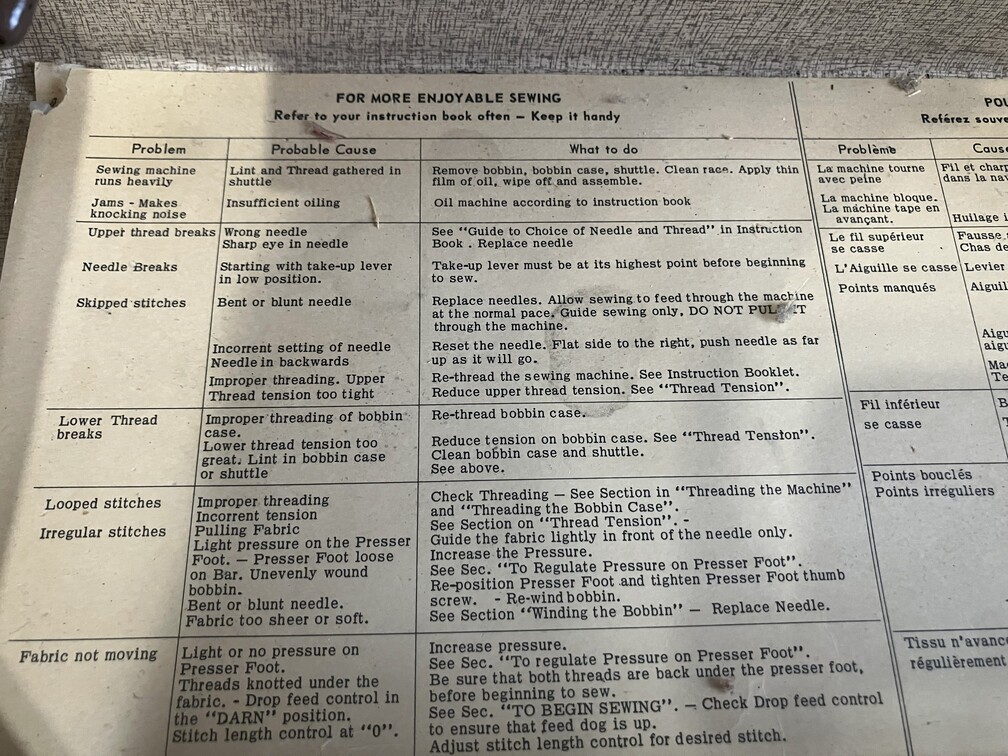
The machine has been cleaned, oiled, and tested. Motor has been disassembled and reassembled. Motor brushes are worn and will need replacement dependent on amount of use. Foot pedal has been disassembled, cleaned, contact polished, and reassembled. Machine does not have any fancy stitch disk inserts. Zig zag and straight stitch work very well. Needle strike is evident on the base plate. The machine runs like a champ. This machine was very clean and well maintained. After some oil, it is ready for display and use. Further documentation and images will be added as available.
Resources and References
International Sewing Machine Collectors' Society (ISMACS)
About ISMACS
ISMACS is the leading international authority on early sewing machine history, with extensive resources for collectors and researchers.
Manufacturing Plant: Soryu Machine Co., Ltd.
Location: Osaka, Japan
Role: Soryu was a major Japanese manufacturer of high-quality, durable sewing machines and a cornerstone of Sears' Kenmore offerings for decades. They began supplying Kenmore sewing machines to Sears in the United States around 1950, a relationship that lasted until 1977. For the Canadian market, Soryu was one of the main manufacturers for Simpson Sears, as indicated by the "C" in the model number and the J-A6/J-C2 factory codes.
Engineering and Design: Soryu machines from this era were heavily influenced by the Singer Class 15 design, using the same bobbin and shuttle system. They are known for their heavy-duty, largely metal components, making them solid machines capable of handling various domestic sewing tasks. Unlike many later manufacturers, Japanese plants like Soryu continued to use metal parts and avoided plastic gearing or components, resulting in machines that are exceptionally durable and long-lasting. The J-A6 code specifically identifies the Soryu factory, while J-C2 indicates the casting plant for the machine's body. These codes were marks of the Japanese Sewing Machine Inspection Institute, ensuring the machine met strict quality standards required for international export.
Manufacturing Context: The Soryu plant focused on producing Class 15 designs, using high-grade steel and thick metal plates. Soryu was a "private label" manufacturer, building machines to the rugged specifications of Sears and other brands, but not selling under their own name. Their machines are often called "tanks" or "workhorses" today because of their all-metal gearing and robust construction.
Legacy: Soryu-manufactured machines are highly regarded in the vintage sewing machine community and are considered excellent, long-lasting machines when properly maintained.